Lungs of the Earth – a call for action and advocacy
‘Lungs of the Earth’ is a call for environmental action and advocacy. It invites Anglicans to restore and protect God’s world with a particular focus on three vital ecosystems that act as the planet’s natural lungs: oceans, forests and ice caps. Due to environmental damage, these lungs of the earth are at risk, with huge implications for people and planet.
Oceans and Coral
These vital waters generate oxygen, store carbon and support marine life.
Forests
Forests absorb carbon dioxide and produce the oxygen all life requires.
Ice Caps and Frozen Regions
Ice caps reflect sunlight, regulate ocean currents and slow global warming.
A Spiritual Crisis
When the lungs of the earth are damaged, all creation struggles to breathe, and the poorest and most vulnerable communities bear the heaviest burdens. When forests are razed, coral reefs bleach and ice sheets melt, the world witnesses profound ecological loss. Anglicans everywhere are encouraged to take action—to treasure the earth and safeguard it for future generations.
Amplify Faith Voices
Amplify the advocacy messages of faith groups at COP30 and advocate for the protection of the world’s vital ecosystems.
Indigenous Wisdom
Represent the voice and experience of indigenous communities in caring for the earth and shaping sustainable practices.
Local Action
Make a difference through local environmental projects, from community gardens to habitat restoration and renewable energy.
Policy Advocacy
Actively advocate with governments and corporations on climate issues to challenge unjust structures and drive global change.
Oceans clean the atmosphere and act as a huge carbon sink, absorbing 90% of the excess heat caused by climate change.
Risk: Each year, over 100,000 marine mammals and 1 million seabirds are estimated to die from plastic pollution alone. Coral reefs are dying from warming seas and pollution, with devastating consequences for marine life and coastal communities.
Response: The Anglican Church of Aotearoa New Zealand and Polynesia consistently calls for urgent ocean restoration. It advocates for a fossil-fuel-free Pacific, protection of at least 30% of the ocean, and a global ban on deep-sea mining.
Action: Reduce plastic waste polluting the oceans. Organise a cleanup of your local area with your church and note how much single-use plastic you collect.
Advocacy: Visit your nearest (super) market and government representative to ask what they are doing to reduce single-use plastic production.
They play a crucial role in absorbing carbon dioxide and producing oxygen, which is essential for life.
Risk: Mass deforestation continues to cause harm. In the Amazon, 68.9 million hectares of forest cover has been lost between 2001 and 2023. This threatens biodiversity, displaces indigenous peoples, and accelerates climate change.
Response: Projects run by the Anglican Church in Kenya are protecting and restoring parts of the Karura urban forest in Nairobi. The church has adopted 3,000 hectares and aims to plant 15 million trees in the coming years.
Action: Get involved in the Communion Forest, a global environmental and ecological restoration initiative encouraging churches to protect, restore, and grow forests and other habitats.
Advocacy: Find out about your country’s laws to protect forests from excess damage (including from logging, business activity and mining). Ask your nearest government representative how these laws are being implemented locally.
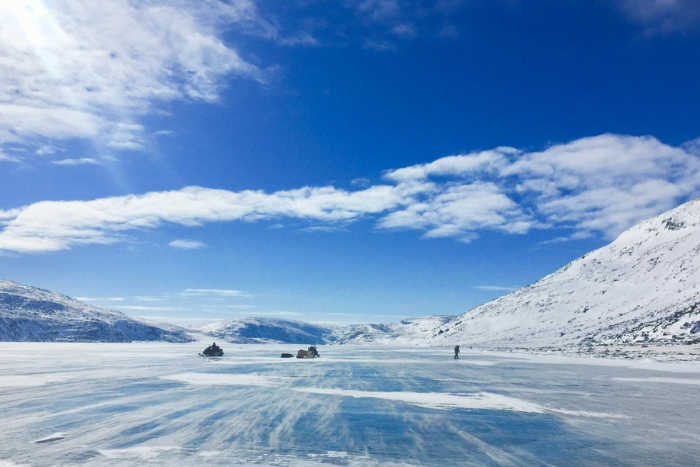
Glaciers and Ice caps operate as lungs of the earth because they play a vital role in regulating the planet’s temperature and climate by reflecting solar radiation back into space. They also store vast amounts of freshwater, which is crucial for maintaining ecosystems and supporting human populations.
Risk: Melting ice caps, are causing sea levels to rise and impacting ecosystems worldwide. The accelerated melting of glaciers and ice sheets is leading to significant changes in global weather patterns.
Action: Reducing emissions reduces global warming. Find out if your church is using renewable energy (Eco Church project), make journeys on public transport that use renewable energy, or find ways to reduce collective energy in your workplace (for cooking, lighting, heating, data storage and travel).
Advocacy: How countries phase out emissions is a justice issue. Each country commits to a different plan called a ‘Nationally Determined Contribution’, which will be reviewed at COP30. Find out how ambitious your country is being on the Climate Action Tracker.
Response: Churches are increasingly involved in environmental preservation efforts, particularly in the Arctic, focusing on sustainability, climate action, and community engagement. Here a majority of Anglicans are indigenous and caring for creation in ways passed on for centuries.
The Church of England’s net zero campaign aims to achieve net zero carbon emissions across the church by 2030, with a focus on reducing energy consumption in its buildings, schools, and work-related transport.
Videos and reels
These embedded Facebook videos and reels highlight Anglican voices from COP30 and from communities already living with the effects of climate change.
Martha Jarvis from COP30
From COP30, Martha Jarvis, Anglican Communion Permanent Representative to the United Nations, shares why Anglicans are present in Brazil and calling for…
Anglican advocacy at COP30
Anglican advocacy got underway at COP30 this week, with faith groups meeting with government ministers and sharing why creation care really matters….
Why the campaign matters at COP30
This November, Anglicans will attend COP30 and advocate for the 'lungs of the earth'. In this film, Anglicans share why creation care is so important to…
Ann Martha Keenainak on Arctic change
The Rt Revd Ann Martha Keenainak, Suffragan Bishop of the Diocese of the Arctic in Iqaluit, shares how Arctic communities are living with the daily…
Graham Usher on hope and advocacy
The Rt Revd Graham Usher, Bishop of Norwich, shares a message of hope and encouragement regarding the lungs of the earth call to action and advocacy….
Lulama Ntuta on restoring forests
Lulama Ntuta shares how the Anglican Church of Southern Africa is protecting and restoring forests in collaboration with government organisations….
Philip Huggins on protecting creation
The Rt Revd Philip Huggins from the Anglican Church of Australia, is one of many Anglicans around the world advocating for the protection of God's…
Marinez Bassotto on COP30 and justice
Archbishop Marinez Santos Bassotto, Primate of Brazil and Bishop of the Amazon, has been in the UK (20–24 October) advocating for environmental justice…
Related coverage
These Anglican Communion News Service stories add context to the campaign and point to the wider advocacy around COP30, indigenous leadership, forests, oceans, and ice caps.